The lymphatic system is one of the body’s most important and often overlooked systems.
Table of Contents
ToggleIt supports immune health, fluid balance, waste removal, and the body’s natural elimination pathways. When lymphatic flow is moving well, it helps the body maintain a greater sense of balance and resilience.
When lymph flow becomes sluggish, some people may notice puffiness, water retention, fatigue, brain fog, skin congestion, tender lymph nodes, or a general feeling of heaviness.
Unlike the circulatory system, the lymphatic system does not have a pump like the heart. It depends on movement, breathing, hydration, and healthy lifestyle habits to help lymph fluid move throughout the body.
The good news is that there are many gentle ways to support the lymphatic system at home. You do not need complicated routines or extreme detox practices. Small, consistent habits can make a meaningful difference over time.
What Is the Lymphatic System?
The lymphatic system is a network of vessels, lymph nodes, organs, and tissues that work together to support the body’s natural cleansing and immune functions.
It helps:
- Remove cellular waste
- Support immune defense
- Transport lymph fluid
- Help regulate inflammation
- Maintain healthy fluid balance
Lymph fluid carries waste products, immune cells, proteins, and other substances through the body before filtering through the lymph nodes. When lymph flow slows down, the body may feel more congested or sluggish.
If you’d like to go a little deeper, Dr. Betsy shares more about how lymphatic flow supports the body’s natural elimination pathways in this related article.
Signs Your Lymphatic Flow May Be Sluggish
Some common signs that may be connected to sluggish lymphatic flow include:
- Swelling or puffiness
- Water retention
- Fatigue
- Brain fog
- Frequent illness
- Skin breakouts or dull-looking skin
- A feeling of heaviness or inflammation
- Tender lymph nodes
These symptoms can also be related to other health concerns, so it is always important to pay attention to what your body is telling you. If swelling, pain, or other symptoms are persistent or concerning, it is best to speak with a qualified healthcare professional.
Gentle Ways to Support Lymphatic Flow at Home
There are many simple practices that may help support lymphatic flow naturally. You do not have to do all of them every day.
In fact, gentle and consistent is usually better than trying to force the body into a big detox process. Start with one or two practices that feel doable, then build from there.
Dry Brushing for Lymphatic Support
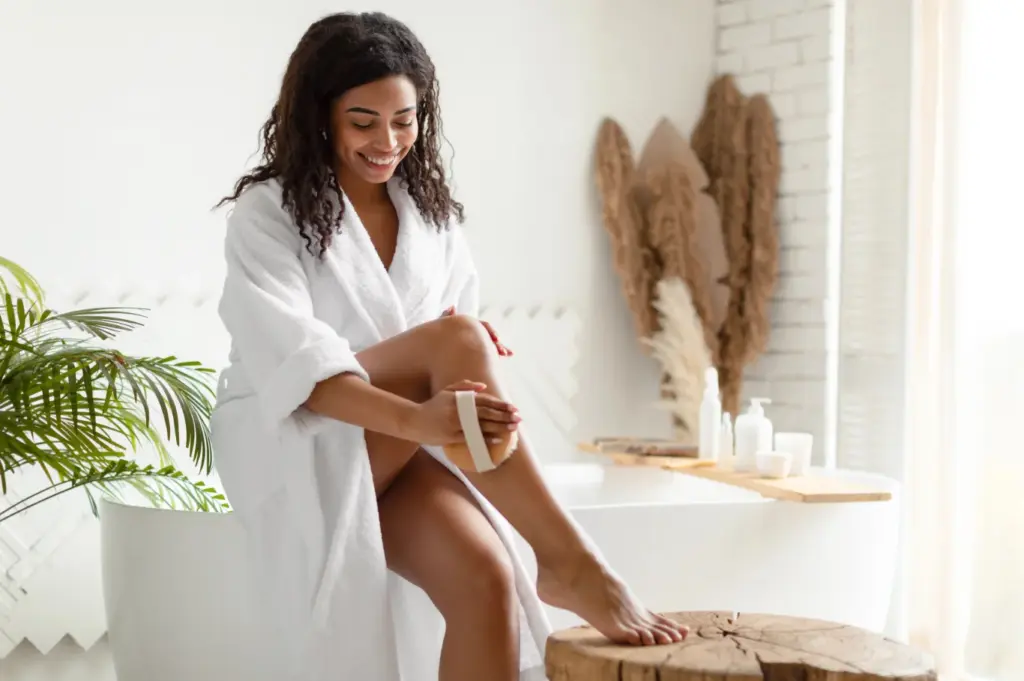
Dry brushing is one of the simplest ways to support lymphatic flow at home.
It involves using a natural bristle brush on dry skin before showering. This may help stimulate the skin, encourage superficial circulation, and gently support lymph movement.
When dry brushing, use soft pressure and brush toward the heart. Start at the feet and hands, then work your way inward. A few minutes is enough.
A simple dry brushing routine may include:
- Brushing before showering
- Using gentle pressure
- Moving toward the heart
- Starting at the feet and hands
- Spending 3–5 minutes daily
Consistency matters more than intensity. The goal is to gently support the body, not irritate the skin.
Movement and Exercise
Movement is one of the most important ways to support the lymphatic system.
Because the lymphatic system does not have its own pump, it relies heavily on muscle contraction and body movement. Regular movement helps encourage circulation and supports healthy lymphatic flow.
Helpful forms of movement include walking, yoga, stretching, Pilates, light strength training, and rebounding on a mini trampoline.
Even short movement breaks throughout the day can be helpful. You do not have to do a long workout to support lymphatic flow. A few minutes of walking, stretching, or gentle bouncing can help the body move fluid more efficiently.
Best Exercise for Lymphatic Drainage
Many people ask about the best exercise for lymphatic drainage, and the answer is often simpler than they expect.
Gentle, rhythmic movement is usually the most supportive. Walking is one of the easiest places to begin because it uses the muscles of the legs, supports circulation, and can be done almost anywhere.
Rebounding is another popular option in holistic wellness. This involves gentle bouncing on a mini trampoline. The up-and-down motion creates changes in pressure that may help stimulate circulation and lymph flow.
Just 5–10 minutes a day may be a supportive addition for some people. As always, listen to your body and choose movement that feels safe and appropriate for you.
Deep Breathing
Deep diaphragmatic breathing acts like a natural pump for the lymphatic system.
Each deep breath helps create movement through the chest and abdomen while also supporting the nervous system. This can be especially helpful during periods of stress, when the body may feel tense or restricted.
A simple breathing practice:
- Inhale slowly through the nose
- Allow the abdomen and rib cage to expand
- Exhale slowly
- Repeat for 3–5 minutes
This is one of the easiest lymphatic support practices to begin with because it requires no equipment and can be done almost anywhere.
Hydration
Lymph fluid is largely made of water, so hydration plays an important role in healthy lymph flow.
When the body is dehydrated, circulation and elimination may feel more sluggish. Drinking water consistently throughout the day can help support the body’s natural processes.
Helpful hydration habits include drinking filtered water, adding trace minerals or electrolytes when appropriate, and eating hydrating foods such as cucumber, celery, citrus, watermelon, and leafy greens.
You do not have to force large amounts of water at once. Gentle, steady hydration throughout the day is often more supportive.
Contrast Showers
Contrast showers use alternating warm and cool water to help support circulation.
This practice may gently encourage blood flow and lymphatic movement. Start slowly and avoid extreme temperatures, especially if you are sensitive to heat or cold.
A simple approach:
- Warm water for 1–3 minutes
- Cool water for about 30 seconds
- Repeat several rounds if comfortable
Always listen to your body. This should feel refreshing, not stressful.
Self-Lymphatic Massage
Gentle self-lymphatic massage may help encourage lymph movement and reduce mild puffiness.
Because many lymph vessels are close to the surface of the skin, very light pressure is usually best. This is not deep tissue massage. The goal is to gently encourage flow, not force it.
Common focus areas include the neck and collarbone, underarms, abdomen, and groin area.
Many people benefit from learning proper techniques from a certified lymphatic therapist or a trusted instructional resource. This is especially important if you have a health condition, have had surgery, or are dealing with significant swelling.
You may also find it helpful to learn more about the benefits of lymphatic massage and how gentle support can help the body feel more balanced.
Infrared Sauna and Detox Baths
Heat therapies may support relaxation, circulation, and overall wellness.
Some people enjoy infrared sauna sessions, Epsom salt baths, or magnesium baths as part of their self-care routine. These practices may help the body relax, ease tension, and support a sense of restoration.
Hydration afterward is important. If you are sensitive to heat, pregnant, have a heart condition, or have any medical concerns, check with your healthcare provider before using sauna therapy or hot baths.
Nutrition for Lymphatic System Support
Nutrition plays an important role in inflammation balance, digestion, and the body’s natural elimination pathways.
A supportive lymphatic lifestyle often begins with simple food choices that nourish the body instead of overwhelming it.
For a broader seasonal reset, Dr. Betsy’s spring detox guide shares simple ways to support the body’s natural elimination pathways without extreme measures.
Focus on:
- Whole foods
- Fiber-rich vegetables
- Healthy fats
- Antioxidant-rich foods
- Adequate protein
- Clean, filtered water
Certain herbs and foods are commonly used in holistic wellness to support lymphatic health, including ginger, turmeric, parsley, dandelion, cleavers, and red root.
Herbs can be powerful, so it is best to consult a qualified healthcare practitioner before using herbal therapies therapeutically, especially if you are taking medications, pregnant, nursing, or managing a chronic health condition.
Lifestyle Factors Matter Too
Lymphatic health is not only about movement, hydration, or massage. Sleep, stress, and nervous system balance all play a role.
Chronic stress can affect digestion, inflammation, elimination, and the body’s ability to restore itself. Poor sleep can also leave the body feeling more inflamed, tired, and sluggish.
Supportive practices may include meditation, prayer, journaling, gentle stretching, time outdoors, and prioritizing restorative sleep.
This is where lymphatic system support becomes less about doing everything perfectly and more about creating a rhythm your body can trust.
Other Supportive Lymphatic Therapies
In addition to at-home habits like movement, hydration, breathing, and dry brushing, some people also explore professional or supportive tools to encourage lymphatic flow.
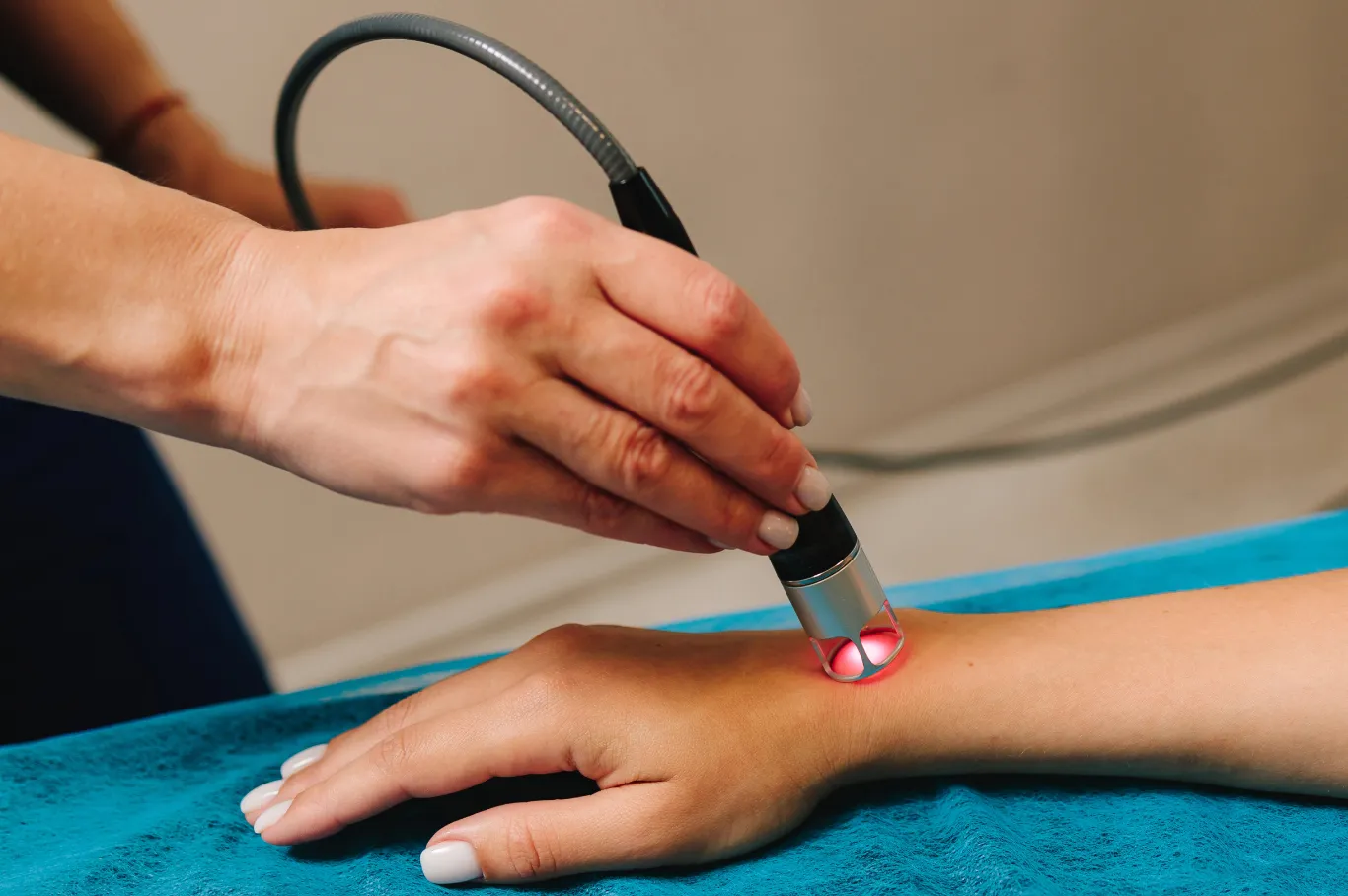
Low frequency laser therapy, lymphatic drainage massage, vibration plates, infrared sauna, and other gentle wellness practices may be used as part of a broader lymphatic support plan. These tools are not meant to replace medical care, but they may offer additional support when used appropriately and with guidance.
If you are dealing with ongoing swelling, heaviness, fatigue, inflammation, or other symptoms that do not improve, it may be time to look deeper. Dr. Betsy can help you explore what your body may need and create a personalized plan for your wellness journey.
A Simple Daily Lymphatic Support Routine
You do not need a complicated protocol to begin supporting your lymphatic system.
Here is a simple routine you can try at home:
- Deep breathing for 2 minutes
- Dry brushing for 3 minutes
- Walking, stretching, or rebounding for 5–10 minutes
- Hydrating well afterward
That is enough to begin.
Small, consistent habits often create the greatest long-term impact. Choose what feels doable and build from there.
When to Seek Professional Guidance
At-home lymphatic support can be a helpful part of a healthy lifestyle, but it is not a replacement for individualized care.
If you are experiencing persistent swelling, pain, tenderness, unexplained fatigue, frequent illness, or symptoms that continue to worsen, it is important to seek guidance from a qualified healthcare professional.
Symptoms are your body’s way of asking for attention. They deserve care, patience, and the right kind of support.
Final Thoughts
Learning how to support the lymphatic system at home can be a gentle and empowering part of your wellness journey.
Your lymphatic system is deeply connected to immune function, fluid balance, circulation, and whole-body wellness. Supporting it does not require extreme measures. Simple practices such as movement, hydration, deep breathing, dry brushing, and mindful self-care can help encourage healthy lymphatic flow naturally.
Start small. Listen to your body. Let your daily habits become a peaceful way to support your health over time.
If your body feels sluggish, heavy, or out of balance, Dr. Betsy can help you look at what may be going on beneath the surface. Explore her holistic wellness services to learn how she supports the body with gentle, whole-person care.